亞洲🌙 亞洲🌙
遊客
海报背景
1.0
网友评分
  • 很差
  • 较差
  • 还行
  • 推荐
  • 力荐
7.5 620次评分
  • 很差
  • 较差
  • 还行
  • 推荐
  • 力荐
扫描观看

扫描一扫app播放

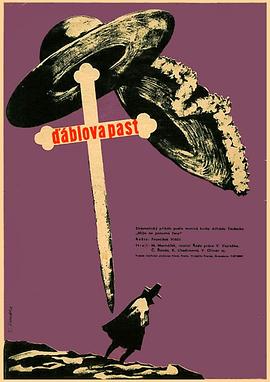
In the time of Counter-Reformation, a miller and his son come under investigation by a priest of the Inquisition, when rumors spread that their prosperity comes from working with the Devil.  The Devil's Trap is a film directed by František Vláil, based on a novel by Alfréd Technik, adapted by František A. Dvorák and Miloš Kratochvíl. It was the first of three historical dramas that Vláil made during the Czech New Wave (technically he isn't really a part of the New Wave, however these films were made during the same era of artistic freedom), preceding his more well known Marketa Lazarová (1967) and Valley of the Bees (1968).  Set in the late 16th Century during the Catholic Reformation, in the Moravian Karst, situated in what is now the Eastern Czech Republic, it tells the tale of a miller (Vítezslav Vejrazka), and his son Jan (Vít Olmer), who come under suspicion and are investigated by a Jesuit priest of the Inquisition (Miroslav Macháchek), when rumors of witchcraft are spread by the local regent (Cestmír Randa), who is jealous of the miller's prosperity and degree of respect among the local populace.  As expected from Vláil, this film is a stunning experience all the way through. From the opening shot, an ominous manipulation of perspective with a close up of a mangled figure of Christ dominating the foreground against a tiny figure in black walking along the horizon, to the breathtaking confrontational finale inside the vast stalactite filled Karst caverns, it is a wonderful display of visual mastery.  Maybe not quite as impressive as Marketa Lazarová, but still full of astonishing imagery. As seen from unique angles and distinct points of view which highlight the director's remarkable sense of awareness of framing, motion, and positioning on the emotional and dramatic tone of the scene. The most memorable being a repeated shot where the camera is suspended and launched with speed through the air towards the miller's door.  The story here is a simple one and I would say more accessible than his later works. With a conventional structure emphasized as much by its plot and characters, than by its expressionistic cinematography or authentic historical detail. The events play out without much surprise, and there is a strong underlying, almost supernatural, mysterious aspect that is left unresolved, in fact barely explored, which is slightly disappointing, but only because it's so fascinating that I wish there was more.  Acting is great all around. Particularly the villains Miroslav Macháchek as the priest, casting a sinister and imposing shadow wherever he goes, and Cestmír Randa as the weasel like regent behind all the persecution. While Vít Olmer brings a charismatic leading man presence in his role as the miller's son Jan, in love with the lovely orphan girl Martina (Karla Chadimová), who becomes a dangerous object of rivalry between Jan and other young men of the village.  The film also features the evocative music of Zdenk Liška (perhaps the most prolific composer of the Czech New Wave). In this his second of eleven collaborations with Vláil, his compositions are used sparingly, but to great effect, complimenting but never overpowering a scene. The best example of which can be heard in an amazingly shot celebration and dance sequence at the end of the second act.  The Devil's Trap might not be a masterpiece, but it is still a strong effort, with a fascinating straightforward story and a glorious historical setting captured beautifully by Vláil's unmistakable visual prowess. A fine work that would also be the perfect starter plate to prepare yourself for the challenging feast of Marketa Lazarová or The Valley of the Bees. It even has an easy to digest running time. It's therefore puzzling why this gem remains largely overlooked and ignored.
展开
无模块

资源列表

排序

相关明星

相关影片

更多
大卫
大卫:王者降临(台)
大蛇5怪兽都市
张傲月 , 梁颂晴 , 包贝尔 , 释彦能 , 姜超 , 苑琼丹 , 石兆琪 , 邬天 , 谭琍敏 , 毛凡
不允许带狗
郎心如狗(港),我15岁,你在乎吗?(台),Koertele keelatud,劣狗
无形的本质
Blood of my blood / The Nature of Invisible Things / Die Natur der unsichtbaren Dinge / Das Wesen unsichtbarer Dinge
无题惊婚夜
无题入室抢劫之恋,Untitled Home Invasion Romance
特工迷阵
杰森·莫玛 , 戴夫·巴蒂斯塔 , 莫蕾娜·巴卡琳 , 雅各布·贝塔隆 , 特穆拉·莫里森 , 克莱斯·邦 , 弗兰基·亚当斯 , 石原崇雅 , 斯蒂芬·鲁特 , 大卫·赫克里·肯努·贝尔 , Mark R Black , Marris Collins , 马卡纳·大卫 , 迈克·爱德华 , 萝伊玛塔·福克斯 , 玛雅·凯洛哈 , Cyndi Mayo-Akeo , Cyndi Mayo , 斯蒂芬·欧阳 , 莉迪亚·佩克汉
请求救援
荒岛囚救(台),脑细天劫(港),请求救援
中国医生3急诊24小时
The Chinese Doctor: 24 Hours in A&B
我最特别的朋友
老郑飞到天上去了 / 无事生非 / Mr. Zheng / Friends
美好家园
Good House / Dom dobry, sen zły / Home Sweet Home
黑色城堡
Черный замок
真实边缘
An invisible red line
  • 片名:魔鬼的陷阱
  • 状态:HD中字
  • 主演:Vítezslav Vejrazka 米罗斯拉夫·马哈切克 Cestmír Randa Vít Olmer Karla Chadimová Vlastimil Hasek Frantisek Kovárík 雅罗斯拉夫·毛奇卡 约瑟夫·赫利诺马兹 贝德里奇·卡兰 Jirí Belohoubek Jirina Bílá Monika Indingerová Ladislav Kazda Milan Kindl 伊里·弗斯塔拉 
  • 导演:法兰提塞·维拉席 
  • 年份:1962
  • 地区:其它
  • 类型:剧情 剧情片 电影 
  • 频道:内详
  • 上映:1962-04-20
  • 语言:其它
  • 更新:2025-07-07 20:01
  • 简介:In the time of Counter-Reformation, a miller and his son come under investigation by a priest of the Inquisition, when rumors spread that their prosperity comes from working with the Devil.  The Devil's Trap is a film directed by František Vláil, based on a novel by Alfréd Technik, adapted by František A. Dvorák and Miloš Kratochvíl. It was the first of three historical dramas that Vláil made during the Czech New Wave (technically he isn't really a part of the New Wave, however these films were made during the same era of artistic freedom), preceding his more well known Marketa Lazarová (1967) and Valley of the Bees (1968).  Set in the late 16th Century during the Catholic Reformation, in the Moravian Karst, situated in what is now the Eastern Czech Republic, it tells the tale of a miller (Vítezslav Vejrazka), and his son Jan (Vít Olmer), who come under suspicion and are investigated by a Jesuit priest of the Inquisition (Miroslav Macháchek), when rumors of witchcraft are spread by the local regent (Cestmír Randa), who is jealous of the miller's prosperity and degree of respect among the local populace.  As expected from Vláil, this film is a stunning experience all the way through. From the opening shot, an ominous manipulation of perspective with a close up of a mangled figure of Christ dominating the foreground against a tiny figure in black walking along the horizon, to the breathtaking confrontational finale inside the vast stalactite filled Karst caverns, it is a wonderful display of visual mastery.  Maybe not quite as impressive as Marketa Lazarová, but still full of astonishing imagery. As seen from unique angles and distinct points of view which highlight the director's remarkable sense of awareness of framing, motion, and positioning on the emotional and dramatic tone of the scene. The most memorable being a repeated shot where the camera is suspended and launched with speed through the air towards the miller's door.  The story here is a simple one and I would say more accessible than his later works. With a conventional structure emphasized as much by its plot and characters, than by its expressionistic cinematography or authentic historical detail. The events play out without much surprise, and there is a strong underlying, almost supernatural, mysterious aspect that is left unresolved, in fact barely explored, which is slightly disappointing, but only because it's so fascinating that I wish there was more.  Acting is great all around. Particularly the villains Miroslav Macháchek as the priest, casting a sinister and imposing shadow wherever he goes, and Cestmír Randa as the weasel like regent behind all the persecution. While Vít Olmer brings a charismatic leading man presence in his role as the miller's son Jan, in love with the lovely orphan girl Martina (Karla Chadimová), who becomes a dangerous object of rivalry between Jan and other young men of the village.  The film also features the evocative music of Zdenk Liška (perhaps the most prolific composer of the Czech New Wave). In this his second of eleven collaborations with Vláil, his compositions are used sparingly, but to great effect, complimenting but never overpowering a scene. The best example of which can be heard in an amazingly shot celebration and dance sequence at the end of the second act.  The Devil's Trap might not be a masterpiece, but it is still a strong effort, with a fascinating straightforward story and a glorious historical setting captured beautifully by Vláil's unmistakable visual prowess. A fine work that would also be the perfect starter plate to prepare yourself for the challenging feast of Marketa Lazarová or The Valley of the Bees. It even has an easy to digest running time. It's therefore puzzling why this gem remains largely overlooked and ignored.
视频
搜索历史
删除
热门搜索
本地记录 云端记录
登录账号